Business License
Eight misconceptions in purchasing and using floor drains
Eight misconceptions in purchasing and using floor drains
Misconception 1: Only focus on appearance, not quality
Many consumers judge the quality of a floor drain based on its surface brightness and weight when purchasing it. In fact, the brightness of the surface of the floor drain is the result of different materials and processes used by the manufacturer in the production process. Stainless iron and alloy chrome plated and nickel plated products are usually more bright and belong to high gloss. Stainless steel wire drawing and copper wire drawing are matte products. Of course, the weight of the product does represent the different materials of the product, and the weight order is stainless steel stainless steel alloy pure copper. There are many types of stainless steel and alloy products here. Currently, stainless steel products are mainly made of 201 and 202 stainless steel plates, which vary in thickness and weight. Alloy products are mainly based on zinc element, and commonly added alloy elements include aluminum, copper, magnesium, cadmium, lead, titanium, etc., which are difficult for consumers to distinguish. At present, regardless of the material used, the service life of the technology is not a problem, so when choosing a floor drain, you should focus on the product's functionality.
Misconception 2: Only focusing on price, not on functionality
As an essential product in home decoration, floor drains have not received much attention from many people, who think that buying just one is enough, mainly because they do not understand their importance. Many people think that it is nothing more than the use of bathroom and kitchen drainage, ignoring its functionality. Each household's space is independent, but your bathroom pipes are connected to each household and directly connected to the septic tanks of each building. The septic tanks produce toxic gases such as methane and carbon monoxide through fermentation for a period of time, which is very harmful to human health. In addition, it is self-evident that the odor generated by other households when discharging pollutants will return from your home's pipes. Therefore, it is recommended not to blindly pursue low prices, but to focus on product functionality.
The four essential elements for purchasing a floor drain:
1. Floor drains need to be odor proof, and a floor drain that meets the national standard of a 5cm water seal is considered a standard odor proof floor drain.
2. The main function of a floor drain is drainage, and it is important to choose a floor drain with fast drainage speed. A floor drain with siphon function, like a toilet, has fast drainage speed.
3. It should be easy to clean and not blocked.
4. The water seal can store water for a long time, and it takes a long time without anyone at home to ensure that the room does not smell bad.
Misconception 3: Superstition in sales, not believing in oneself
Due to consumers not carefully understanding the relevant knowledge of floor drains before purchasing, they mostly listen to the merchant's introduction. Businesses driven by profit can mislead consumers, so it is recommended that everyone learn about related products through various channels when making purchases. Such as browsing the internet, visiting friends' homes for inspection, or consulting with product experts.
Misconception 4: Ultra thin floor drain is good
Many hydraulic workers recommend consumers to choose ultra-thin floor drains when installing them. The purpose is for installation convenience, without considering functional issues. If the room smells, it's not their problem.
Odorous floor drain
The drawbacks of ultra-thin floor drains are:
1. It is flat drainage and cannot form effective drainage vortices, so the drainage speed is relatively slow.
2. If it is a reed cup type water seal, it has less water storage capacity and shorter odor prevention time.
Misconception 5: Having a water trap can prevent odor
Many people know that water can prevent odors, and some hydraulic workers and developers also install water traps on pipelines. However, the water trap also has many drawbacks:
1. If it is the same floor drainage, it is necessary to elevate the floor when installing the water trap, which not only increases the decoration cost but also reduces the space in the bathroom.
2. If it is a partition drainage, once the water trap is blocked due to sedimentation and accidents, it needs to be repaired at the lower level of your house. If someone renovates it, it will cause losses to both parties. The hidden danger of large water storage bends, whether in the same layer or between layers, is blockage.
3. Do not blindly believe that having a trap can prevent odor, because according to the principles of physics, when draining water from someone else's house, water acts like a piston, pulling out a portion of the water from your trap until it leaks through the air. Therefore, the water trap cannot fundamentally prevent odor.
Misconception 6: Placing the floor drain in the center of the bathroom can change the original path
Many people like to change the position of the original reserved opening of the floor drain for two reasons:
1. The floor drain is placed in the middle of the ground, and water flows towards the middle for easy drainage and cleaning.
2. The original floor drain affects the design of the bathroom. So does changing the drain route really solve the problem? Otherwise, the function of the floor drain is actually to drain water and prevent odor, and it is the same when placed in that position. And the diversion also incurs certain costs, such as purchasing connecting pipelines, digging trenches on the ground, and labor costs.
Solution: 1. As long as the ground level is exceeded, tilt towards the floor drain position. 2. Just make slight changes to the original design plan.
Misconception 7: Turn on the exhaust fan when there is a smell in the bathroom
The reason why a floor drain is not odor proof and a fan does not work is simple. The purpose of turning on the exhaust fan is to remove the foul odor from the bathroom. But during the process of pumping, you need to have new gas compensation. Part of the air comes from the room, and the other part comes from the pipes covered by the floor drain without odor prevention function. It can be imagined that the more you turn on the exhaust fan in your bathroom, the more smelly it becomes. This not only wastes electricity but also has no effect. This doesn't mean that you don't need to install an exhaust fan. The function of an exhaust fan is to remove steam when you take a shower.
There are two solutions to this problem: 1. Block the floor drain. 2. Replace with a genuine odor proof floor drain. Of course, blocking is impossible.
Misconception 8: Toilet smells, spray perfume, light perfume or spray air freshener
These three methods are all symptomatic rather than fundamental approaches. Although you smell fragrance in your sense of smell, in reality, odors and harmful gases are still mixed in with the fragrance, which is a self deception. What should I do? Replacing the odor proof floor drain is your top priority. That way, your bathroom will naturally smell fragrant. Because there is no foul odor, your bathroom should emit the fragrance of cosmetics.
Recently Posted
-
Methods for unblocking blocked floor drains
December 16, 2025There are various methods to clear blockages in floor drains, and the following are some quick and effective dredging techniques:H Read More
 -
The main reasons for the odor of floor drains are as follows
December 16, 20251 Water trap or water seal issuesIf the floor drain is not equipped with a U-shaped trap or the water seal height is insufficient Read More
 -
Key points for selecting floor drains
October 3, 2025Key points for selecting floor drains(1) The CJ/T 186-2003 standard is only applicable to floor drains used in general industrial Read More

Contact Us

Recommended Products
-
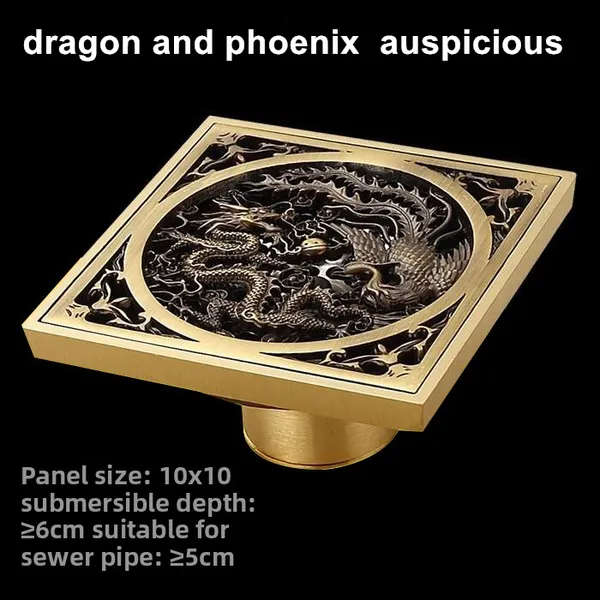
 Antique Carved European-Style European-Style Odor-Proof Insect-Resistant for Modern Household Bathroom Hotel Shower Washing MachineUS$ 6.2 - 6.4MOQ: 200 Pieces
 -
Antique Carved European-Style European-Style Odor-Proof Insect-Resistant for Modern Household Bathroom Hotel Shower Washing MachineUS$ 6.2 - 6.4MOQ: 200 Pieces
-
Modern 4 Inch Square Invisible Brass Shower Floor Drain Insert Anti-Odor Polished Chrome for Hotels Bathrooms Kitchens SinksUS$ 5.8 - 6.5MOQ: 2 Pieces
-
Modern Design All-Copper Strip High Displacement Floor Drain Insect-Proof and Deodorizing Bathroom Tile Insert Rectangle ShapeUS$ 20.5 - 21.2MOQ: 2 Pieces
-
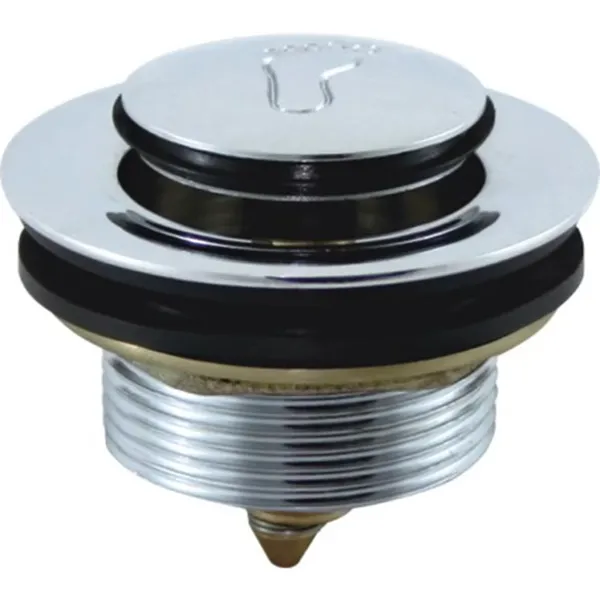
Nixi Modern Design Style Bathtub Barrel Multi-Copper Bounce Drain With Factory Outlet Brass Waste for Bathroom UseUS$ 2.7 - 3.4MOQ: 2 Pieces

-
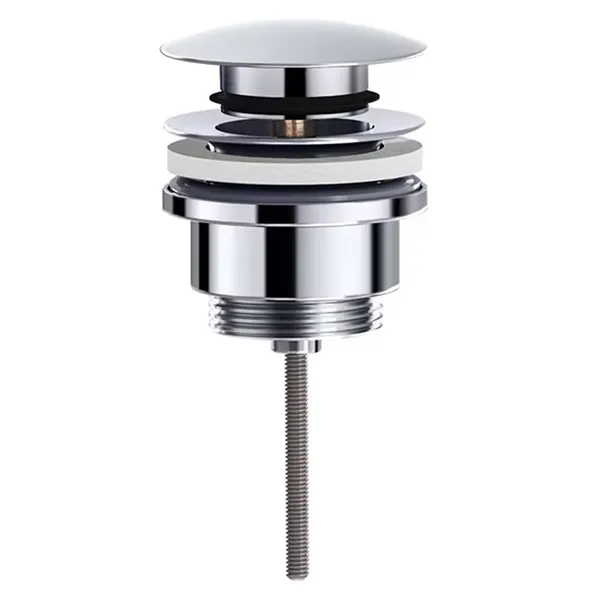
Factory Supply High-Quality Brass Body G1 1/4" Pop up Basin Waste With Overflow Click Clack Drain for Bathroom SinkUS$ 4 - 4.7MOQ: 2 Pieces
-
Factory Price Black G1 1/4" Chrome Round Bottle Waste Trap P-Trap Bathroom Basin Sink Adjustable HeightUS$ 9.5 - 10.2MOQ: 2 Pieces
-
Factory Price Black G1 1/4" Chrome Round Bottle Waste Trap P-Trap Bathroom Basin Sink Adjustable HeightUS$ 9.5 - 10.2MOQ: 2 Pieces
-
Nixi Modern Design Style Bathtub Barrel Multi-Copper Bounce Drain With Factory Outlet Brass Waste for Bathroom UseUS$ 2.7 - 3.4MOQ: 2 Pieces
-
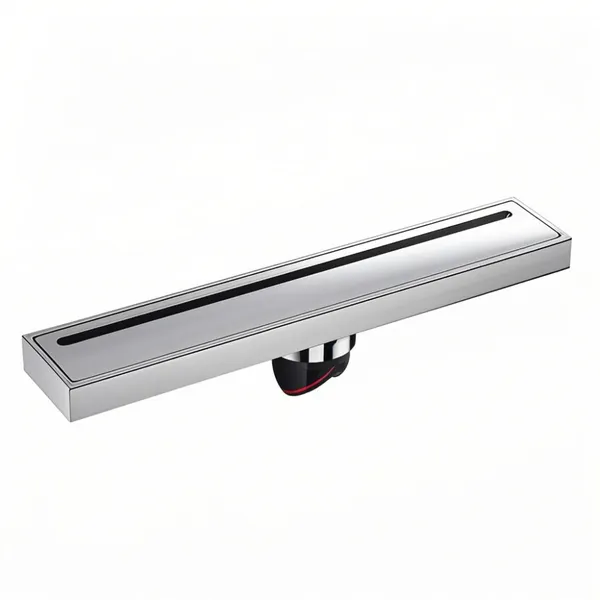
Factory Price Modern Linear Tile Insert Customizable Modern Stainless Steel Linear Tile Insert RectangleUS$ 16.4 - 17.1MOQ: 2 Pieces
-
Nixi Customized 5.8cm Linear Brass Rectangular Outdoor Bathroom Floor Drain Modern Design Style Invisible Tile DeodorizingUS$ 54.2 - 54.9MOQ: 2 Pieces
-
Modern 304 Stainless Steel Linear Shower Floor Drain Rectangle Anti-Odor Hair Blocking for Hotels Outdoors-Factory PriceUS$ 16.5 - 17.2MOQ: 2 Pieces
-
Nixi Customized 5.8cm Linear Brass Rectangular Outdoor Bathroom Floor Drain Modern Design Style Invisible Tile DeodorizingUS$ 54.2 - 54.9MOQ: 2 Pieces
-
Factory Price Modern Stainless Steel Minimalist Linear Rectangular Bathroom Floor Drain Invisible Shower RoomUS$ 16.8 - 17.5MOQ: 2 Pieces
-
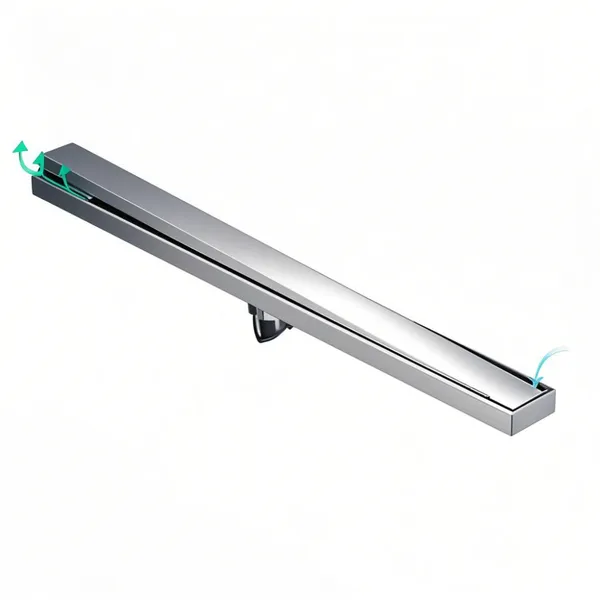
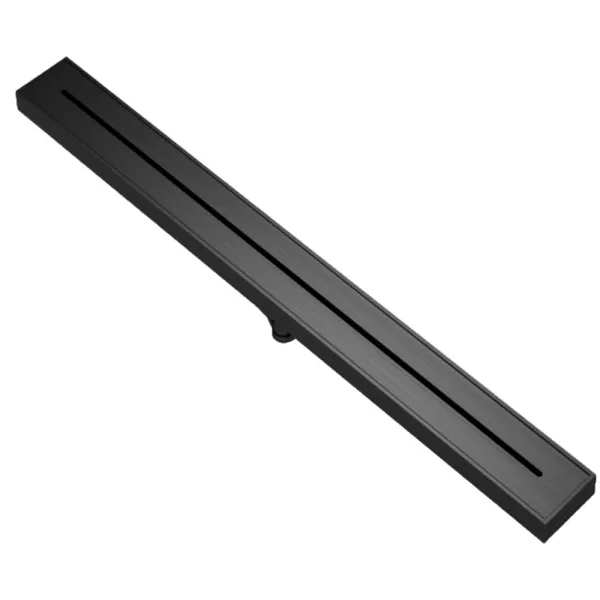
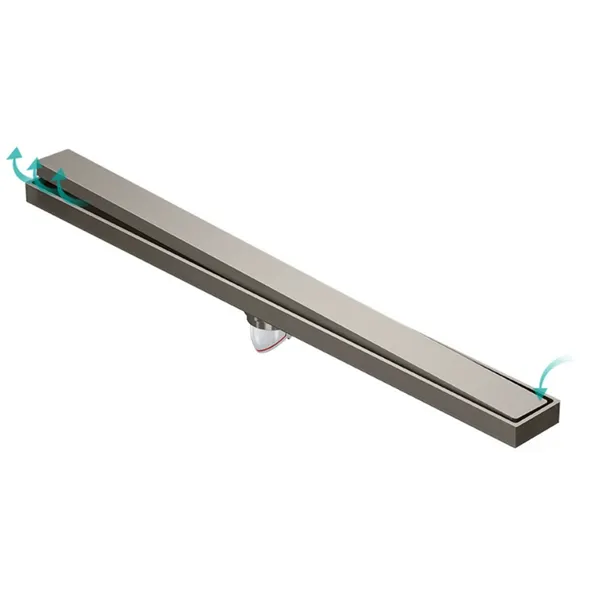
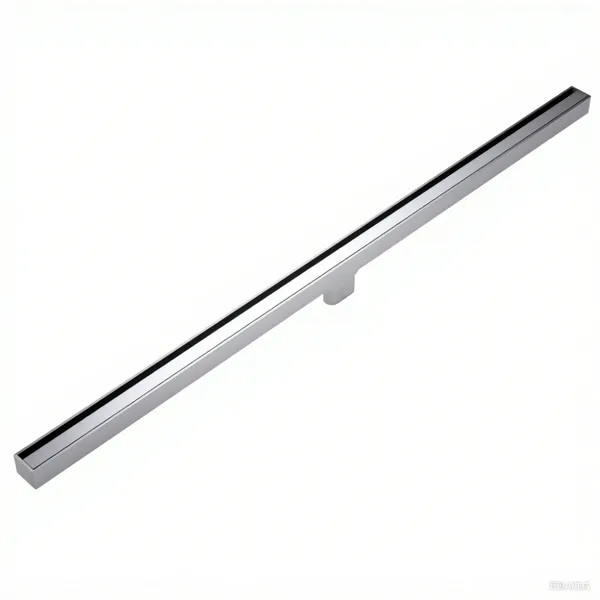
Modern 304 Stainless Steel Linear Shower Floor Drain Rectangle Anti-Odor Hair Blocking for Hotels Outdoors-Factory PriceUS$ 15.5 - 16.2MOQ: 2 Pieces
-
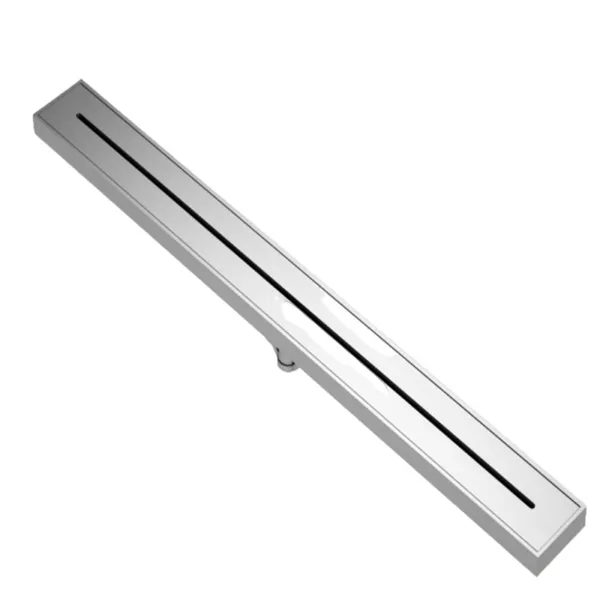
High Quality Modern Stainless Steel Linear Floor Drain 32mm*600mm Factory Price Shower Strainer for Bathroom Kitchen Outdoor UseUS$ 18.8 - 19.5MOQ: 2 Pieces
-
Modern 4-Inch Large Displacement Anti-Backwater Anti-Blocking Brushed Copper Floor Drain Anti-Blockage Bathroom Shower KitchenUS$ 4.8 - 5.5MOQ: 2 Pieces
-
High Displacement All-Pure Copper Anti-Backflow Shower and Kitchen Bathroom Floor Drain Modern Design Deodorizing for HotelsUS$ 4.8 - 5.5MOQ: 2 Pieces
-
Large Displacement All Copper Modern Straight Row Odor-Proof Dry Wet Area Kitchen Anti-Return Shower Floor Drain for HotelsUS$ 4.8 - 5.5MOQ: 2 Pieces
-
High Quality Modern Stainless Steel Linear Floor Drain 32mm*600mm Factory Price Shower Strainer for Bathroom Kitchen Outdoor UseUS$ 18.8 - 19.5MOQ: 2 Pieces